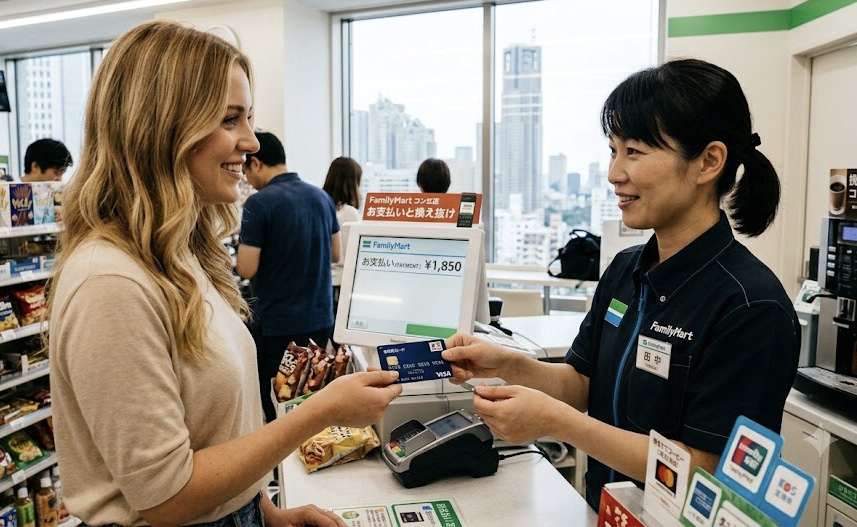
Japan has a reputation for being a futuristic, tech-forward country. But when it comes to money, the reality is more traditional. For a long time, cash was king, and it still plays a major role today. The good news? Card and mobile payments are growing fast, and with the right strategy, you can avoid unnecessary fees.
Why You Still Need Cash in Japan
According to a 2024 report from Japan's Ministry of Economy, Trade and Industry (METI), cashless payments accounted for 42.8% of the total value of consumer payments. While that's a significant increase from less than 20% a decade earlier, cash remains widely used throughout Japan.
Where Cash Is Often Required
| Situation | Why |
|---|---|
| Temple and shrine entrance fees | Many still only accept cash |
| Rural shops and traditional restaurants | Card terminals may not be available |
| Ramen shops with ticket vending machines | Many are cash-only |
| Some rural and regional bus routes | May require cash or have limited payment options |
| Small eateries and street food stalls | Cards are often not accepted |
How Much Cash Should You Carry?
Keeping around ¥10,000–¥20,000 in cash is a practical guideline for most visitors and residents. It provides enough for daily purchases and unexpected situations where electronic payments aren't accepted.
ATM Strategy: Withdraw Without Paying Unnecessary Fees
Where to Find Foreigner-Friendly ATMs
Not all ATMs in Japan accept foreign-issued cards. These are generally the most reliable options:
| ATM | Best For | Notes |
|---|---|---|
| Seven Bank (7-Eleven) | Excellent nationwide coverage and 24-hour access at most locations | Widely accepts foreign-issued cards |
| Japan Post Bank | Extensive nationwide network | Accepts many international cards |
| AEON Bank | Good alternative | Accepts many foreign-issued cards |
ATM Fees
| Fee Type | Typical Cost | How to Reduce It |
|---|---|---|
| ATM operator fee | Varies depending on the ATM and card issuer | Check your bank's fee schedule and use partner networks where available |
| Your bank's foreign ATM fee | Many banks charge around 2–3% or a flat fee | Consider a travel-friendly card with reduced overseas ATM fees |
| Dynamic Currency Conversion (DCC) | Often results in a significantly worse exchange rate | Always choose to be charged in Japanese yen (JPY) |
The Golden Rule of ATM Withdrawals
Always choose to be charged in Japanese yen (JPY).
If an ATM asks whether you want to be charged in your home currency or in JPY, always select JPY. Choosing your home currency triggers Dynamic Currency Conversion (DCC), which typically uses a less favorable exchange rate and can cost considerably more.
Pro Tips for ATM Withdrawals
- Withdraw larger amounts less frequently to reduce transaction fees.
- Avoid using credit cards for ATM withdrawals whenever possible, as cash advances usually begin accruing interest immediately.
- Inform your bank before traveling if required by your issuer to reduce the chance of overseas transactions being flagged.
- Carry a backup payment card in case your primary card is lost, damaged, or retained by an ATM.
IC Cards: The Smart Way to Pay for Transport and Small Purchases
IC cards such as Suica, PASMO, and ICOCA are rechargeable prepaid cards originally designed for public transportation. Today, they're widely accepted as electronic money across Japan.
Where You Can Use IC Cards
- Trains, subways, and most buses
- Convenience stores (7-Eleven, Lawson, FamilyMart)
- Many vending machines and coin lockers
- Numerous cafés and fast-food restaurants
- Millions of locations throughout Japan
How IC Cards Work
| Feature | Details |
|---|---|
| Initial card deposit | ¥500 (refundable for most physical cards issued by the operator) |
| Maximum stored value | ¥20,000 |
| Validity | Generally expires after 10 years of inactivity |
| Refund | Available from the issuing company for most physical cards (typically subject to a ¥220 handling fee) |
iPhone Users
You can add Suica or PASMO directly to Apple Wallet, allowing you to recharge the card digitally without carrying a physical card.
Android Users
Not all Android phones sold outside Japan include the required FeliCa hardware needed for digital IC cards. However, you can still use contactless credit or debit card payments where accepted.
Using Foreign Cards with Mobile IC Cards
Some foreign-issued credit cards—particularly certain Visa cards—may not work when adding funds to Mobile Suica or Mobile PASMO because of issuer-specific authentication or payment processing restrictions.
If one card doesn't work, try another compatible card or recharge using cash at a station ticket machine or convenience store.
Contactless Payments Are Becoming More Common
Many convenience stores, supermarkets, restaurants, hotels, and department stores now accept contactless Visa, Mastercard, American Express, and JCB cards.
However, smaller businesses, independent restaurants, temples, and some rural locations may still accept only cash or IC cards. Carrying a combination of cash, an IC card, and a credit card remains the most flexible payment strategy.
Credit Cards: The Cost of Convenience
Hidden Costs of Credit Card Use
| Fee Type | Typical Cost | When It Applies |
|---|---|---|
| Foreign transaction fee | Often around 2–4%, depending on the issuer | Purchases made in foreign currencies or overseas |
| Dynamic Currency Conversion (DCC) | Usually results in a poorer exchange rate | If you choose to pay in your home currency |
| Cash advance | ATM fees plus immediate interest charges | Credit card cash withdrawals |
Some credit card issuers charge overseas transaction fees of up to approximately 3.85%, depending on the card and issuer.
Choosing the Right Card
| Card Type | Best For | Things to Consider |
|---|---|---|
| No foreign transaction fee credit card | Hotels, shopping, larger purchases | Some cards charge annual fees |
| Travel prepaid card | Everyday spending with controlled budgeting | Funds must be loaded in advance |
| Standard credit card | Backup or emergencies | Foreign transaction fees may apply |
JCB cards may offer exclusive promotions and discounts at some Japanese merchants, while Visa and Mastercard generally enjoy the widest acceptance nationwide.
Keeping Your Card Safe in Japan
- Keep your receipts in case you need to dispute a transaction or file an insurance claim.
- Use contactless payment whenever available so your card remains in your possession.
- Review your statements regularly for unauthorized transactions.
- Check which international card brands a merchant accepts before making a purchase.
Which Payment Method Should You Use?
| Situation | Recommended Payment Method |
|---|---|
| Coffee, snacks, convenience stores | IC card or cash |
| Train and subway travel | IC card |
| Small restaurants, temples, and street food | Cash |
| Department stores and shopping malls | Credit card (preferably with no foreign transaction fee) |
| Emergency cash | Seven Bank or Japan Post Bank ATM |
| Hotels and large purchases | Credit card |
Summary: The Smart Money Strategy for Japan
- Carry ¥10,000–¥20,000 in cash for places that don't accept electronic payments.
- Get an IC card (such as Suica or PASMO) for public transportation and everyday purchases.
- Use a credit card with no foreign transaction fee whenever possible for larger purchases.
- Withdraw cash from reliable ATMs such as Seven Bank or Japan Post Bank, and always choose JPY if asked.
- Avoid using credit cards for ATM cash advances unless absolutely necessary.
- Carry a backup payment card in case your primary card becomes unavailable.
For official guidance on Japanese currency and payment systems, consult your bank or card issuer before traveling or moving to Japan. If you need personalized assistance with financial matters in Japan, contact HSB JAPAN for a free consultation.