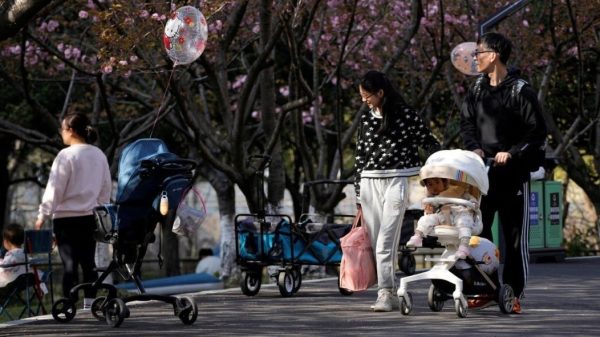
Japan, a country with a low birth rate and severe population aging, is facing a major social and economic challenge in the coming decades. The Japanese government has long implemented various policies to boost the birth rate, but with limited effectiveness. In this context, the Ministry of Health, Labor and Welfare has officially proposed a groundbreaking policy: completely free childbirth costs starting from fiscal year 2026.
This policy marks a major step forward in efforts to reduce the financial burden on families, while promoting childbirth as an essential part of maintaining Japan's sustainable social development. In this article, HSB JAPAN provides a comprehensive, detailed overview of the policy, the reasons for its implementation, specific contents, as well as the challenges and feedback surrounding this project.

1. Background and Objectives of the Policy
1.1 Declining Birth Rate – Japan's Major Challenge
Japan is currently facing rapid population aging and a record-low birth rate. The average birth rate is now approximately 1.3 children per woman, well below the replacement level of 2.1. Japan's population is projected to decline from about 125 million in 2020 to about 88 million by 2065, with many implications for the labor force, social security, and economic development.
1.2 Childbirth Costs – A Major Barrier for Young Families
One of the main reasons couples are hesitant to have children is the financial burden of childbirth and newborn care. According to surveys, the average cost of a normal delivery in Japan over the past 10 years has risen to approximately 518,000 yen, with a significant portion of costs not covered by health insurance. Furthermore, services such as private rooms, painless delivery, and other amenities drive total costs even higher.
1.3 Main Objectives of the Policy
The Japanese government expects that free childbirth will:
- Significantly reduce financial pressure on young families.
- Encourage couples to have more children.
- Ensure that the quality of obstetric medical services is maintained and improved.
- Balance socio-economic development in the context of a declining population.

2. Detailed Contents of the Free Childbirth Policy from 2026
2.1 Free Normal Delivery Costs
According to the draft published by Japan's Ministry of Health, starting from fiscal year 2026, the cost of normal delivery will be fully covered by public health insurance. Currently, cesarean section costs are already covered by insurance, but normal delivery is not yet supported. This is an important improvement to ensure families no longer have to pay large costs when giving birth.
2.2 Increase in Lump-sum Childbirth Allowance (出産育児一時金)
In addition to insurance covering childbirth costs, the lump-sum childbirth allowance will also be increased to provide additional support for families. From April 2023, this allowance was raised from 420,000 yen to 500,000 yen. However, due to rising childbirth costs, the increased allowance still does not fully cover actual expenses, leaving many families with financial burdens. Increasing the allowance or combining it with full insurance coverage would significantly improve the situation.
2.3 Ensuring Quality of Medical Services
The Japanese government emphasizes that it will not compromise the quality of medical services to reduce childbirth costs. Free childbirth will be accompanied by ensuring that medical facilities have sufficient resources, staff, and equipment to serve mothers and newborns in the best way possible. This includes maintaining and developing a team of obstetricians, midwives, and specialized medical staff.

3. Challenges in Implementing the Policy
3.1 Regional Differences in Childbirth Costs
Childbirth costs in Japan vary significantly across prefectures. For example, the average cost of normal delivery in Tokyo is over 620,000 yen, while Kumamoto Prefecture is only about 388,000 yen. This poses a major challenge in establishing a uniform insurance price nationwide. The Ministry of Health has proposed a flexible mechanism that does not fix prices rigidly but adjusts them regionally to suit local realities.
3.2 Concerns from Medical Facilities and Doctors
Some medical facilities have expressed concern that applying a uniform insurance price may prevent them from covering operating costs, especially in urban areas with high operating costs. According to a survey by the Japan Association of Obstetricians and Gynecologists, approximately 7.6% of medical facilities said they would stop accepting normal deliveries if insurance was applied with a cost limit.
Additionally, applying fixed prices may limit freedom in providing optional services such as painless delivery or private delivery rooms. This could lead to customer dissatisfaction and reduced service diversity.
3.3 Issues Regarding Painless Delivery and Ancillary Services
Currently, painless delivery services are very popular among pregnant women, but this service is not yet covered by health insurance. Some localities, such as Tokyo, have begun subsidizing up to 100,000 yen for this service from October 2024. However, expanding insurance coverage for special services remains a debated issue due to the need for specialized human resources and equipment.
4. Opinions and Feedback from Stakeholders
4.1 Positive Feedback from Families and Social Experts
Many families and social experts support the free childbirth policy, believing it to be a necessary and timely solution to address the low birth rate. Reducing childbirth costs will create financial motivation for couples to feel confident about having children, especially in the context of rising living costs.
4.2 Concerns from the Medical Sector and Obstetricians
As mentioned, many doctors and medical facilities oppose applying full insurance coverage for normal delivery costs without careful consideration of pricing and compensation mechanisms. They warn that without appropriate support, some hospitals may stop accepting maternity patients, negatively affecting future medical care.
4.3 Financial Issues and Social Insurance Burden
The financial resources to fund the free childbirth policy will come from the social health insurance fund, contributed by workers and businesses. However, insurance contribution rates are already increasing and have reached record highs (9.34% in 2025 for health insurance organizations of large enterprises). This poses a challenge in balancing people's benefits with the financial burden on the current working generation.
5. Prospects and Supplementary Measures
5.1 Flexible Regional Support
The Japanese government is considering applying a flexible mechanism that can adjust prices by region, based on cost characteristics and local medical infrastructure. This aims to avoid imbalances and help medical facilities maintain effective operations.
5.2 Strengthening Communication and Cost Transparency
One important proposal from experts is to enhance public transparency of information regarding childbirth costs and services, helping families make appropriate choices while creating healthy competitive pressure among medical facilities.
5.3 Investment in Medical Human Resource Development
To ensure service quality, Japan needs to continue investing in training obstetricians, midwives, and medical staff, especially in difficult areas. Attracting young medical professionals and improving working conditions will help reduce pressure on the healthcare system.
6. Conclusion
Japan's move toward free childbirth from 2026 is a landmark policy, demonstrating determination to address the declining birth rate and aging population. This is a comprehensive solution to reduce the financial burden on families and create favorable conditions for couples to confidently have children.
However, the policy also faces many challenges, from balancing costs and ensuring service quality to the response of the medical sector and the financial issues of social insurance. To succeed, close coordination between government agencies, medical facilities, citizens, and other stakeholders is essential.
In the future, if implemented effectively, the free childbirth policy will play an important role in maintaining Japan's sustainable social development, creating a model worthy of reference for many other countries facing similar issues.
Detailed information will be announced by Japan's Ministry of Health in the coming months. HSB JAPAN will provide full updates as soon as official decisions are made so that everyone can stay informed and prepare for the upcoming changes.

Contact us today for maternity allowance consultation!
HSB JAPAN Co., LTD
〒130-0026
Tokyo, Sumida-ku, Ryogoku 1-3-12 (925 Ryogoku Dai-2 Building)
Email: tax_pension@hsbjapan.com
Tel / fax: 03-5937-2465